

























Crystallization of honey - scientific explanation and practical tips

What is crystallization?
Honey is a natural, high-energy product produced by bees by collecting and processing nectar from plants or honeydew.
It consists mainly of simple sugars (glucose and fructose ), water , enzymes, minerals, vitamins and amino acids. This natural nutritional and medicinal product has antibacterial, antioxidant and anti-inflammatory properties and is almost non-perishable.
Its main sugars are glucose and fructose. When glucose starts to separate from the liquid part, crystals are formed.This is a natural physical process and does not affect:
-nutritional value
-enzymes
-antioxidants
What does the rate of crystallization depend on?
-The type of plant
-Glucose/fructose ratio
-Storage temperature
-The presence of natural microparticles - pollen and wax.
-Temperatures around and below 14°C accelerate the process.
Is heating dangerous?
To liquefy crystallized (saccharified) copper, it must be heated to a temperature between 35°C and 40°C (up to a maximum of 45°C).
Here are the basic rules for proper liquefaction without destroying its useful qualities:
-Ideal temperature (35-40°C): this range mimics the temperature in the hive (around 35°C), allowing the honey to liquefy without losing its beneficial enzymes, vitamins and flavours.
-Water bath method: the best way is to place the jar of honey in a container of warm water, the temperature of the water should not exceed 40-45°C.
-Time: The process is slow and can take several hours or even 24 hours if the honey is very hard.
-⚠️ Caution: do not heat honey above 45-50°C, as at higher temperatures it begins to lose its beneficial properties. Never use a microwave or direct fire.
Melted honey can re-crystallize which is a sign of quality and natural origin.
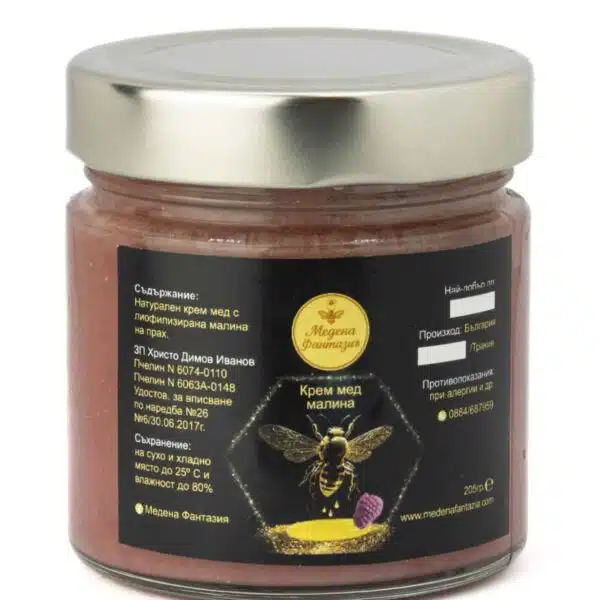
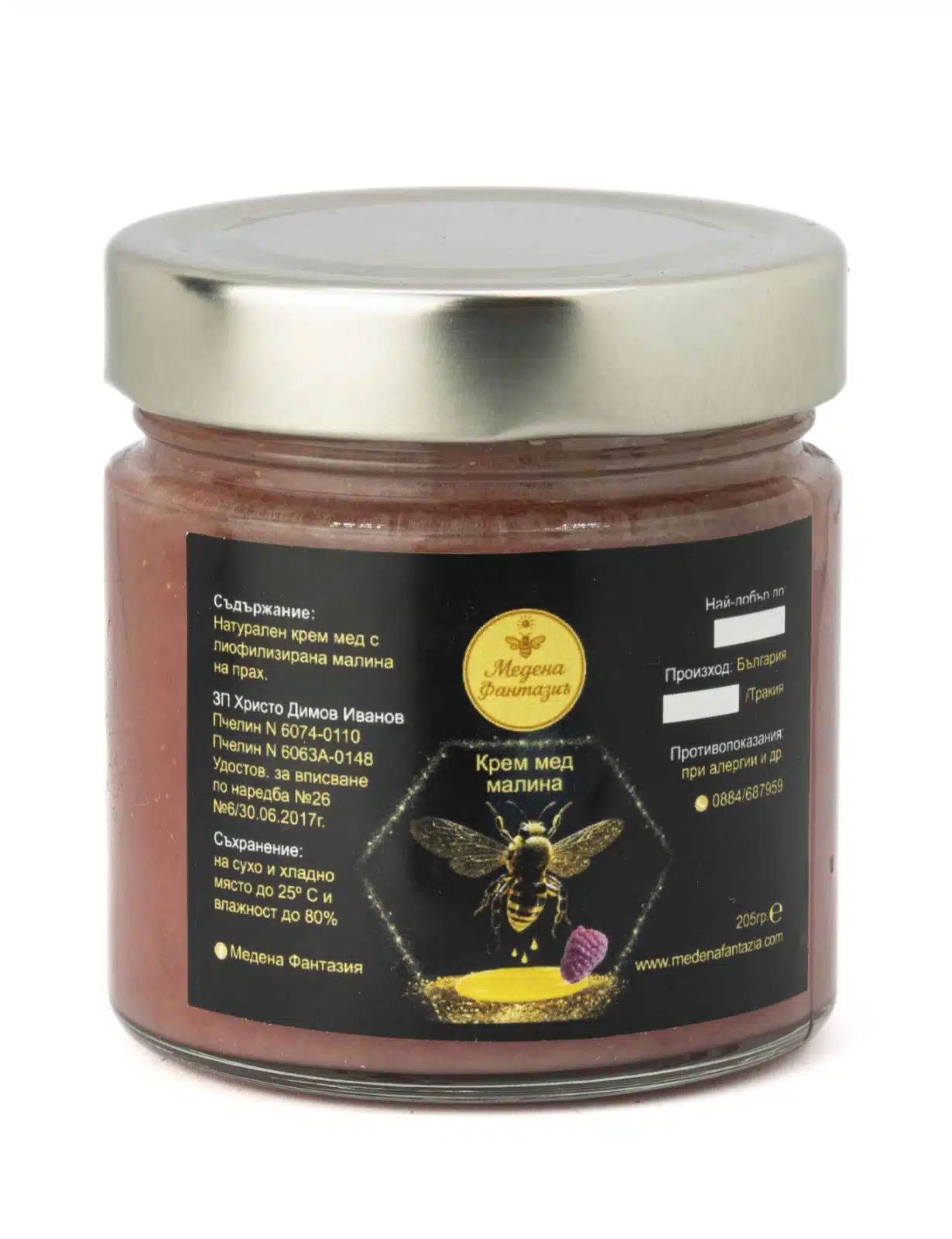
What is honey cream?
Honey Cream is 100% natural honey with a fine, soft and thick consistency.
Conclusion
Crystallization is not a defect. It is part of the natural life of honey. Understanding this process helps consumers make informed choices.





 English