








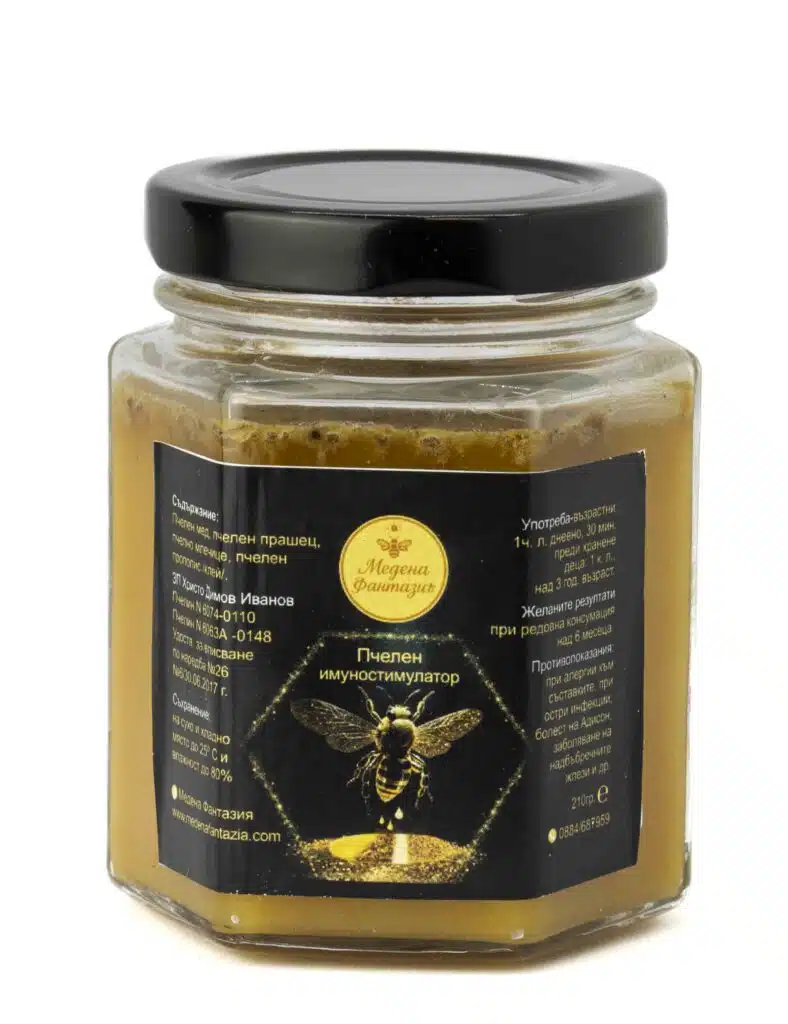








Bee Pollen - composition, properties and application

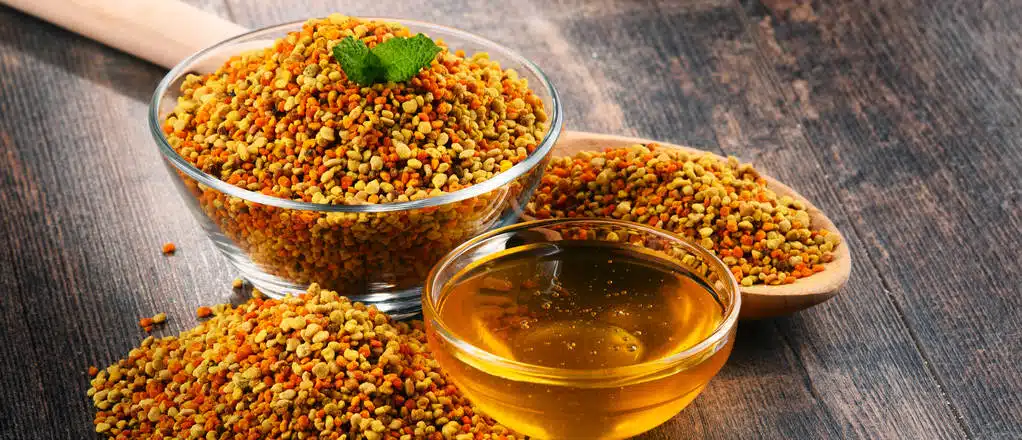
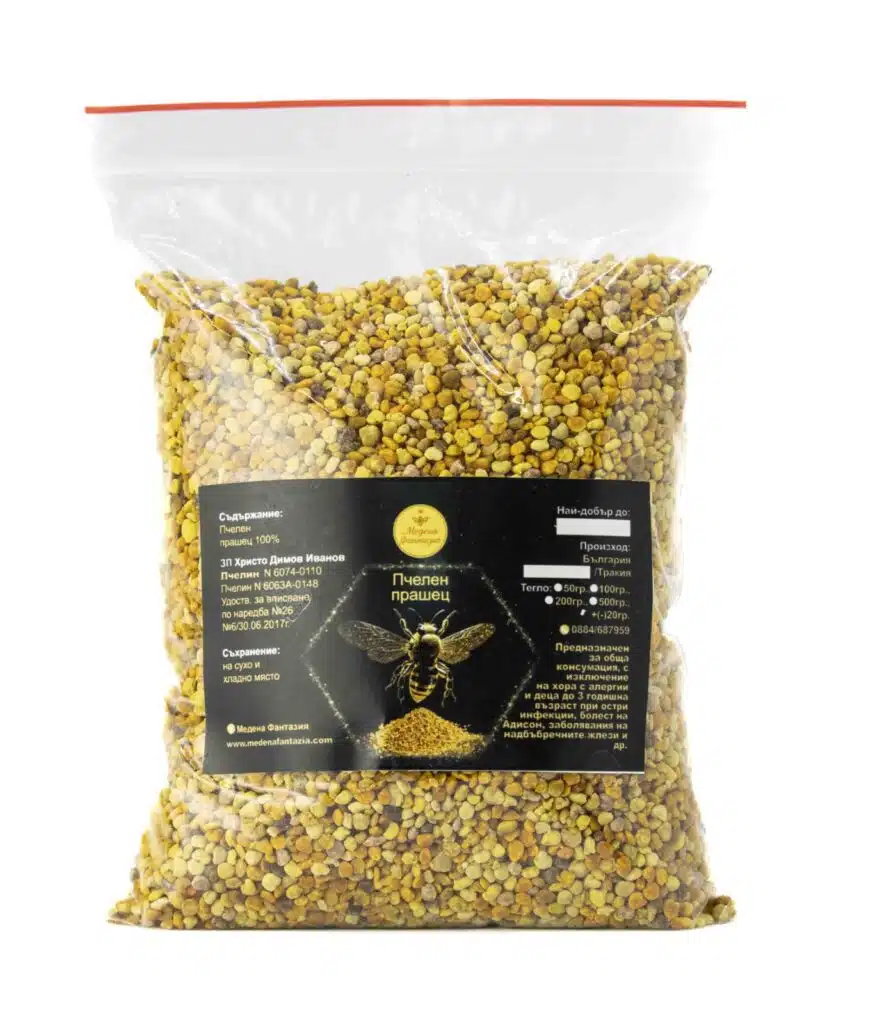
Bee pollen is a natural product (often referred to as "the best food in the world" or "superfood") is extremely rich in nutrients, collected by bees from the stamens of plants. It is a mixture of pollen, nectar and bee secretions that worker bees form into small granules (pellets) and carry into the hive.
Nutritional profile:
What does it contain?
Bee pollen contains over 250 biologically active substances, including:
-Proteins:Contains 20-25% of high quality proteins, including all essential amino acids, with only two missing from the replaceable ones.
-Carbohydrates: natural sugars (mainly fructose and glucose contained in plant nectar).
-Vitamins: Rich in B vitamins (B1, B2, B6), vitamin A, C, D, E.
-Minerals: iron, calcium, magnesium, zinc, potassium and phosphorus.
-Antioxidants: high levels of polyphenols, flavonoids and carotenoids that protect against free radicals.
The composition varies slightly according to the vegetation in the area.
What are the main health benefits?
Due to its rich composition, bee pollen is used as a dietary supplement for:
-Increase energy and tone: acts as a natural energy stimulant.
-Immunostimulating: strengthens the body's defenses.
-Antiinflammatory effect: reduces inflammation in the body.
-Cardiovascular health: may help reduce high cholesterol.
-Liver support: protects the liver from toxins.
-For allergies: some studies show it can reduce the symptoms of seasonal allergies.
How is it taken?
Dosage: It is recommended to start with small amounts (a few granules) and gradually increase to 1-2 teaspoons per day.
How to use : The amount of bee pollen intended for consumption is stirred from the night before into yogurt and so prepared stands from 6-8 hours in the refrigerator. The next morning, a tablespoon of honey is added to it and consumed 30 minutes before breakfast. To make a habit of consuming it regularly, it is advisable to prepare the same amount of pollen in yogurt for the next morning immediately afterwards. This way within 21 days you will build a habit of proper consumption of bee pollen. When bee pollen is soaked in yogurt (especially for 6 - 8 hours ), the lactic acid bacteria and acidity soften and break down the cellulose coating, thereby increasing the availability of proteins, vitamins and antioxidants. The cellulose wall of bee pollen (exine) is extremely tough and resistant, making untreated pollen difficult for the human body to digest. Combining it with yogurt is an effective way to overcome this barrier, thanks to several key factors in the milk:
-Lactobacillus bulgaricus and Streptococcus thermophilus produce enzymes during fermentation that help break down cellulose and release nutrients from the pollen.
- Lactic acid (Low pH): the acidic environment (pH 4.3-4.6) in yoghurt created by the bacteria acts as a chemical agent that helps break down the pollen envelope, improving its digestibility (up to 99% in fermentation).
-Enzymatic hydrolysis: The fermentation process in yoghurt is a type of enzymatic hydrolysis in which the complex polysaccharides (cellulose) and proteins in bee pollen are broken down to simpler and more easily digestible by the body.
-It is important not to consume it by people with allergies to bee pollen, acute infections, Addison's disease, diseases of the adrenal glands, etc., and by children under 3 years of age!





 English